
OEM & Private Label Manufacturing · Worldwide Shipping
Malqor International

Materials & Specs

Goalkeeper Glove Latex Grades, Cuts and Closures: A Buyer's Guide

Wholesale guide to goalkeeper gloves: latex grip types, negative cut vs flat palm vs roll finger, closures and finger protection for clubs and retailers.

By Malqor International · Published · 5 min read

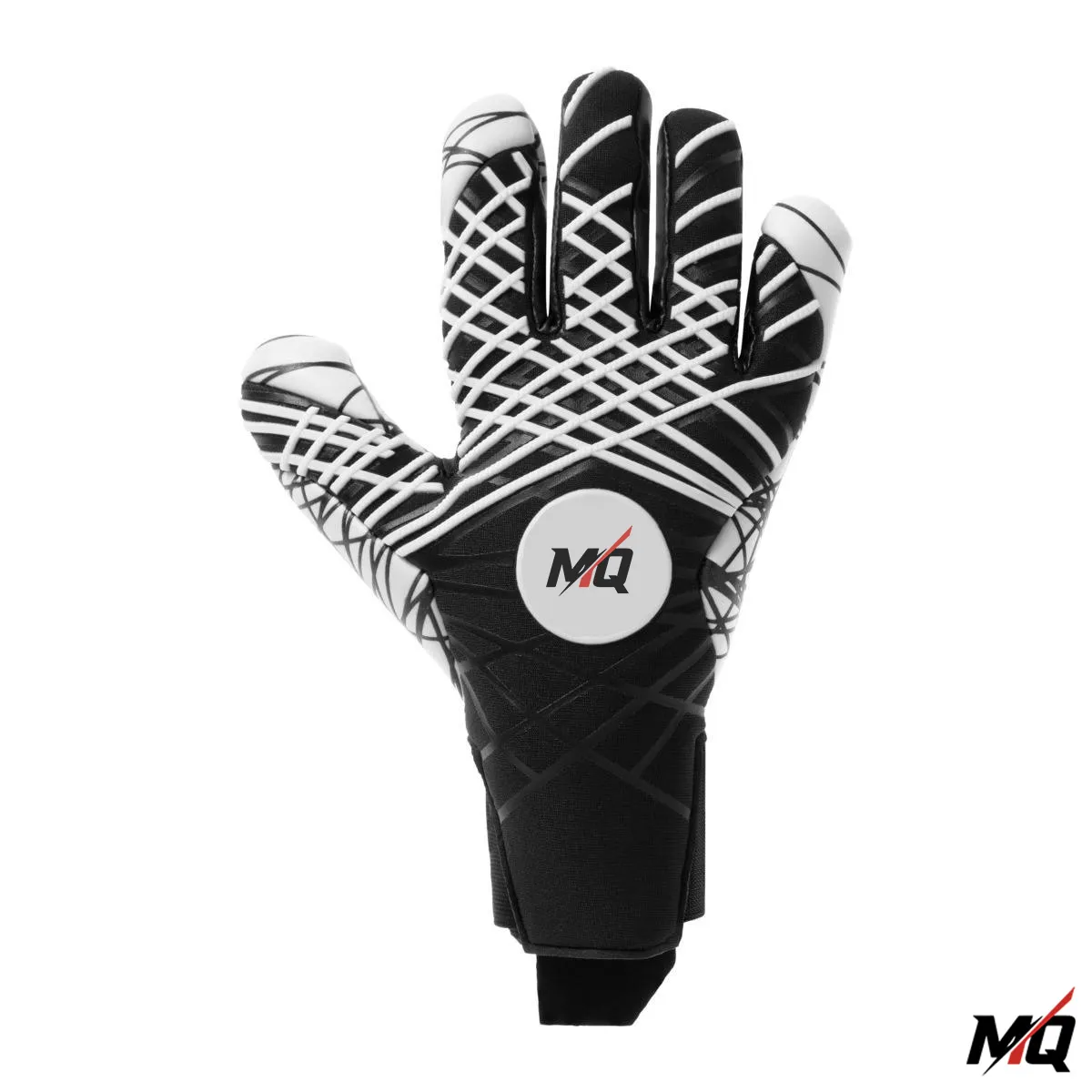
Black and white goalkeeper glove, palm view showing the contact grip latex pattern.
In this guide
  1. Anatomy of a goalkeeper glove
  2. Latex: the grip that matters most
  3. Cuts: how the glove fits
  4. Closures: securing the wrist
  5. Finger protection
  6. Backhands and comfort
  7. Sizing for clubs and retailers
  8. Matching gloves to playing surfaces
  9. Building a goalkeeper glove range
  10. Care tips to share with customers
  11. Customizing goalkeeper gloves
  12. Source goalkeeper gloves from Malqor

Goalkeeper gloves look simple, but small details in the latex, the cut and the closure change how a glove grips, fits and lasts. For a club, academy, retailer or keeper brand, those details decide whether players love your gloves or quietly buy another pair.

This guide explains the choices a goalkeeper gloves manufacturer will ask you about, including the classic negative cut vs flat palm question, so you can specify gloves with confidence.

Anatomy of a goalkeeper glove

Every goalkeeper glove has four main parts:

  1. Palm: the latex grip surface that touches the ball.
  2. Backhand: the top of the glove, usually knitted nylon, PU or leather, often with padding for punching.
  3. Cut: how the palm and finger panels are shaped and stitched together.
  4. Closure: how the glove secures at the wrist.

Optional extras include finger protection spines, thumb protection and textured or printed backhands.

Latex: the grip that matters most

The palm latex has the biggest effect on performance. When comparing gloves, focus on four things.

Grip type

  • Contact or high-grip latex: soft and sticky for maximum hold; the choice for match gloves.
  • Textured or embossed latex: a patterned surface that adds grip and often durability.
  • Hard-ground or training latex: tougher, longer-lasting latex for artificial pitches and daily training.

Wet and dry performance

Some latex grips best when slightly damp, which is why many keepers wet their palms before a match. If your customers play in rainy climates, ask the manufacturer how the latex performs in wet conditions.

Thickness

Thicker latex generally cushions the ball more and lasts longer; thinner latex gives a closer feel. Latex type and thickness can be matched to your price point.

There is no universal "grade"

You'll see names such as "German latex", "contact grip" or "giga grip". These are trade or brand names, not a standardized grading system. Compare gloves by their actual grip, feel and wear, ideally by testing samples on the surface your players use.

Cuts: how the glove fits

The cut decides how tight the glove feels and how much latex touches the ball.

CutConstructionFit and feelBest for
Flat palmOne flat latex palm, external stitchingRoomier, classic fit, wide contact areaTraining, youth, all-round use
Negative cutSeams stitched inside the gloveTight, close fit, better ball feelMatch keepers who want precision
Roll fingerLatex wraps around the fingersLarger contact area, snug fingersKeepers who catch with fingertips
HybridMixes cuts (e.g. negative fingers, roll thumb)Combines strengthsAdvanced and specialized ranges

Many retailers stock both a flat palm model for training and younger keepers and a negative cut model for match play. See our flat palm latex goalkeeper gloves and negative cut contact grip goalkeeper gloves for one of each.

Closures: securing the wrist

  • Hook-and-loop wrist strap: adjustable and the most common choice. Wide straps give extra wrist support.
  • Pull-on elastic cuff (strapless): a sleek, sock-like fit that's quick to put on, popular in modern match gloves.
  • Lace-up and hybrid closures: a distinctive look and a locked-in fit, as on our navy lace-up keeper gloves.

For youth players, a simple hook-and-loop strap is the easiest to put on and adjust.

Finger protection

Finger spines (finger saves) are stiff inserts in the backhand fingers that resist the fingers bending backwards. They're popular with younger and amateur keepers and with parents. Some experienced keepers prefer gloves without them for flexibility. Offering both options lets you serve the whole market. Our kids and adults goalkeeper gloves with finger spines are a typical example.

Backhands and comfort

  • Knitted nylon or stretch fabric: light, flexible and breathable.
  • PU or leather backhands: more structure and durability, with space for bold graphics.
  • Padding: latex or foam on the backhand helps when punching the ball clear.

Breathable materials and a comfortable lining matter for players who wear gloves for a full training session.
Sizing for clubs and retailers

Goalkeeper glove sizes vary between brands, so publish a size guide based on hand measurements. A typical range covers youth and adult sizes, for example youth 5–7 and adult 8–11, or S–3XL. For academies, plan quantities around each age group, and order a small number of extra sizes for growth through the season.

Matching gloves to playing surfaces

The surface a keeper plays on affects how fast latex wears:

  • Natural grass: the kindest surface for latex, so it suits soft, high-grip match gloves.
  • Artificial turf and 3G pitches: more abrasive, so tougher training latex lasts longer.
  • Hard courts and indoor football: very abrasive; durable latex and reinforced palms help.
  • Wet climates: choose latex that holds its grip when damp.

If your customers play mainly on artificial pitches, stock a durable training glove alongside your match glove, and say clearly which glove is for which surface.

Building a goalkeeper glove range

A practical range for a club shop, academy or sports retailer:

  1. Youth training glove: flat palm, hook-and-loop strap, finger spines and durable latex, at an accessible price.
  2. Adult training glove: flat palm or negative cut with tough latex for frequent sessions.
  3. Match glove: negative cut with high-grip contact latex for game days.
  4. Club edition: any of the above in club colors with the club crest, which works well for academies and fan merchandise.

This structure lets you serve every keeper from beginners to first-team players, and makes it easy to upsell from training to match gloves.

Care tips to share with customers

Good care noticeably extends latex life, and sharing it reduces complaints:

  • rinse the palms with lukewarm water after use and let them air-dry away from direct heat
  • don't store gloves palm-to-palm while damp
  • use a separate pair for training on artificial turf and for matches

Customizing goalkeeper gloves

Clubs and keeper brands usually customize:

  • backhand graphics and colors
  • logo on the backhand and wrist strap
  • palm latex type and thickness
  • cut: flat palm or negative cut
  • finger protection: with or without spines
  • packaging and labels

At Malqor International, logos are applied by a method chosen to suit the glove's material and your artwork. Our MOQ is set per model and level of customization, and confirmed in your quote, and sample time is confirmed in your quote, as it depends on the model and customization. If you're building a keeper brand, our private-label brand guide walks through the whole process.

Source goalkeeper gloves from Malqor

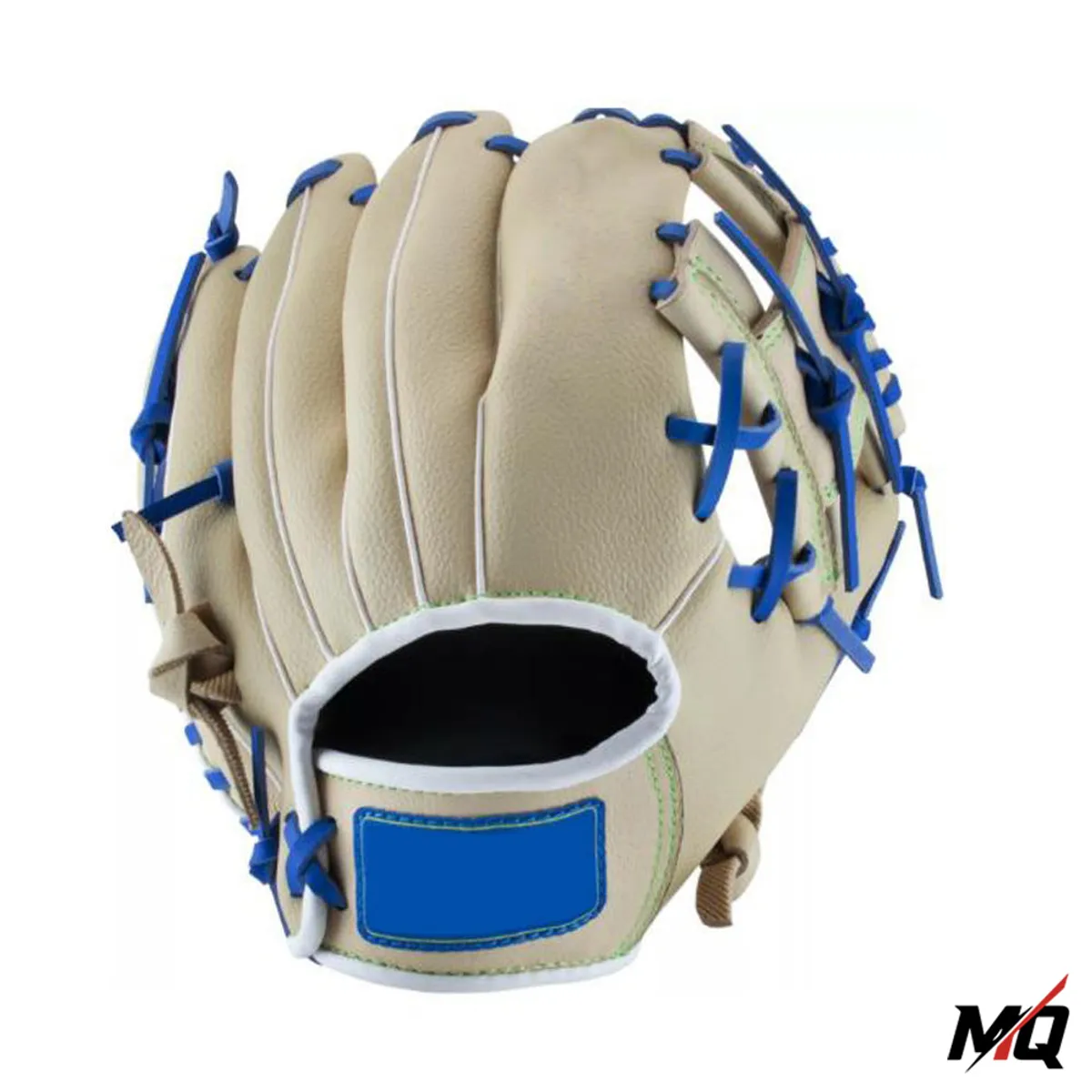
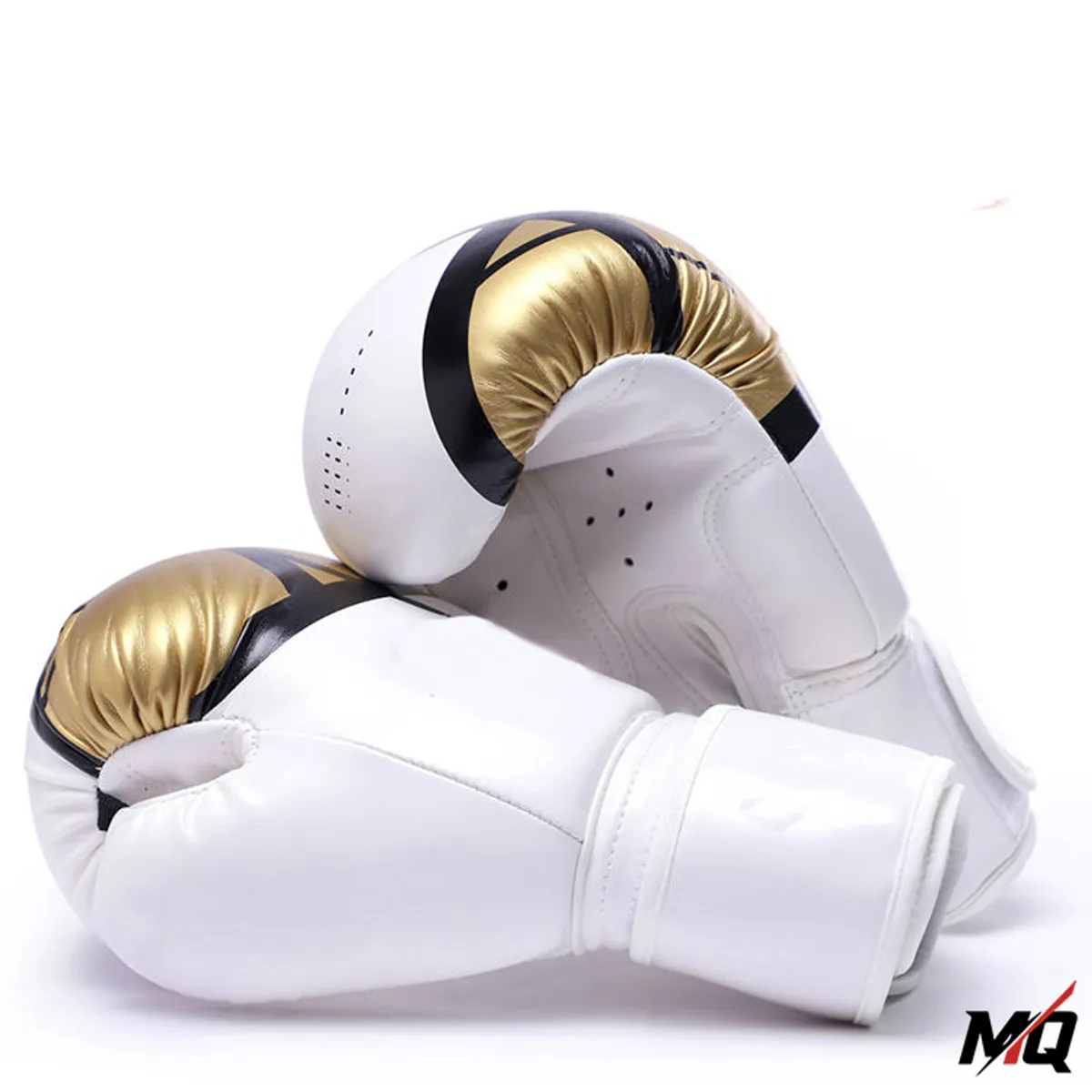
Malqor International manufactures wholesale goalkeeper gloves with latex palms, flat palm and negative cut designs, finger protection spines, and hook-and-loop, pull-on and lace-up closures, in youth and adult sizes. We also supply baseball gloves and boxing gloves for multi-sport clubs and retailers.

Tell us your players, cut preferences and quantities, and we'll reply with pricing, MOQ and lead time.

Frequently Asked Questions

What is the difference between negative cut and flat palm goalkeeper gloves?

A negative cut has its seams stitched on the inside for a tight, close fit and better ball feel. A flat palm has external stitching and a single flat latex panel, giving a roomier fit and a wide contact area.

Are goalkeeper glove latex grades standardized?

No. There's no industry-wide grading system, and brands use their own names for latex types. Compare gloves by grip in wet and dry conditions, latex thickness, and durability on the surface they'll be used on.

Do finger protection spines help?

Finger spines (also called finger saves) add support that resists the fingers bending backwards. Many young and amateur keepers like the extra confidence; some experienced keepers prefer the freedom of gloves without them.

What sizes should a club or retailer stock?

Cover youth and adult sizes. Our goalkeeper gloves run in youth and adult sizes (for example youth 5–7 and adult 8–11, or S–3XL), with special sizes on request.

Can goalkeeper gloves be made with our club's logo and colors?

Yes. Backhand graphics, colors, logo, palm latex, cut and finger protection can all be customized. Our MOQ is set per model and level of customization, and confirmed in your quote.

Request a Wholesale Quote

Tell us the glove types, quantities, sizes and branding you need. We'll reply with pricing, MOQ and lead times for your order.