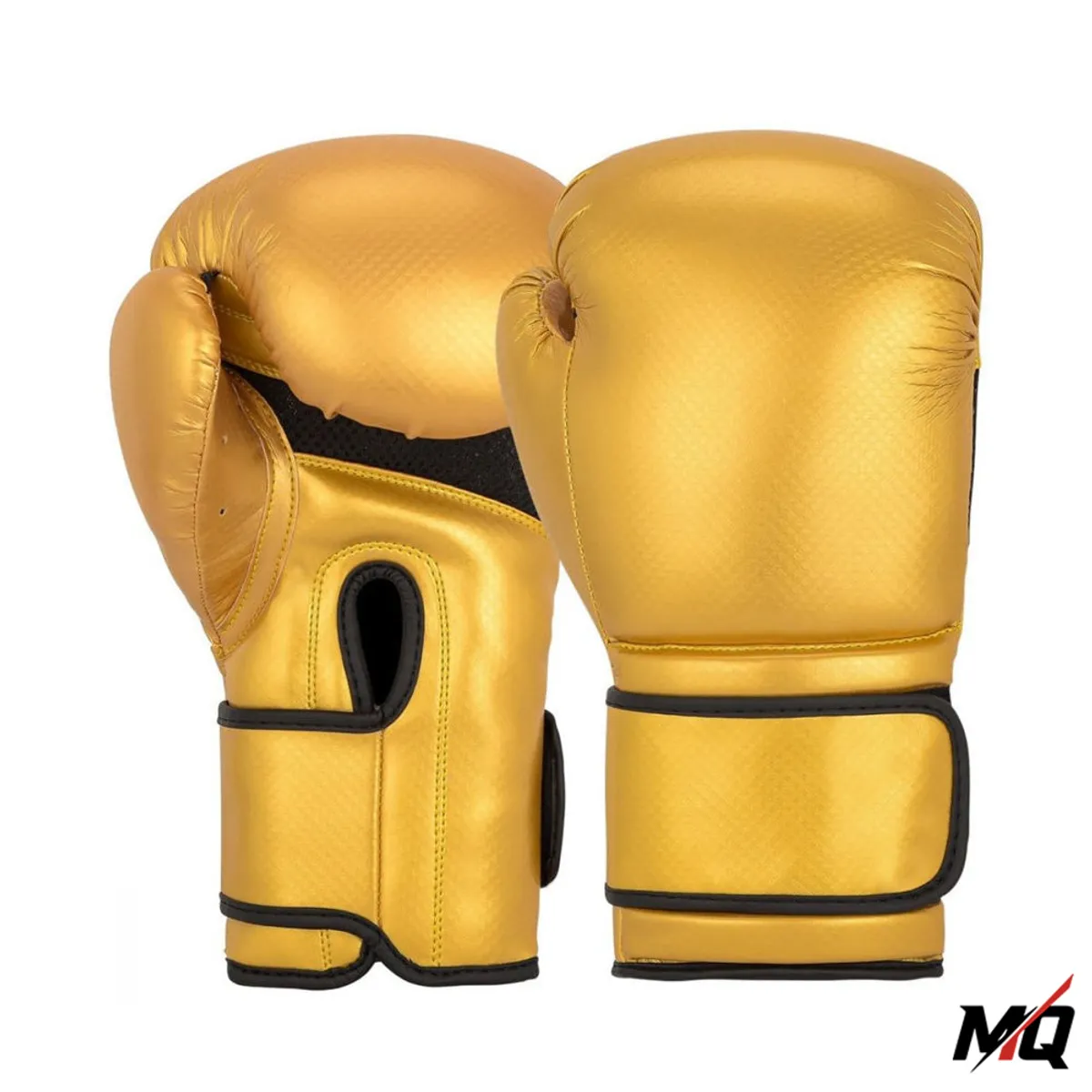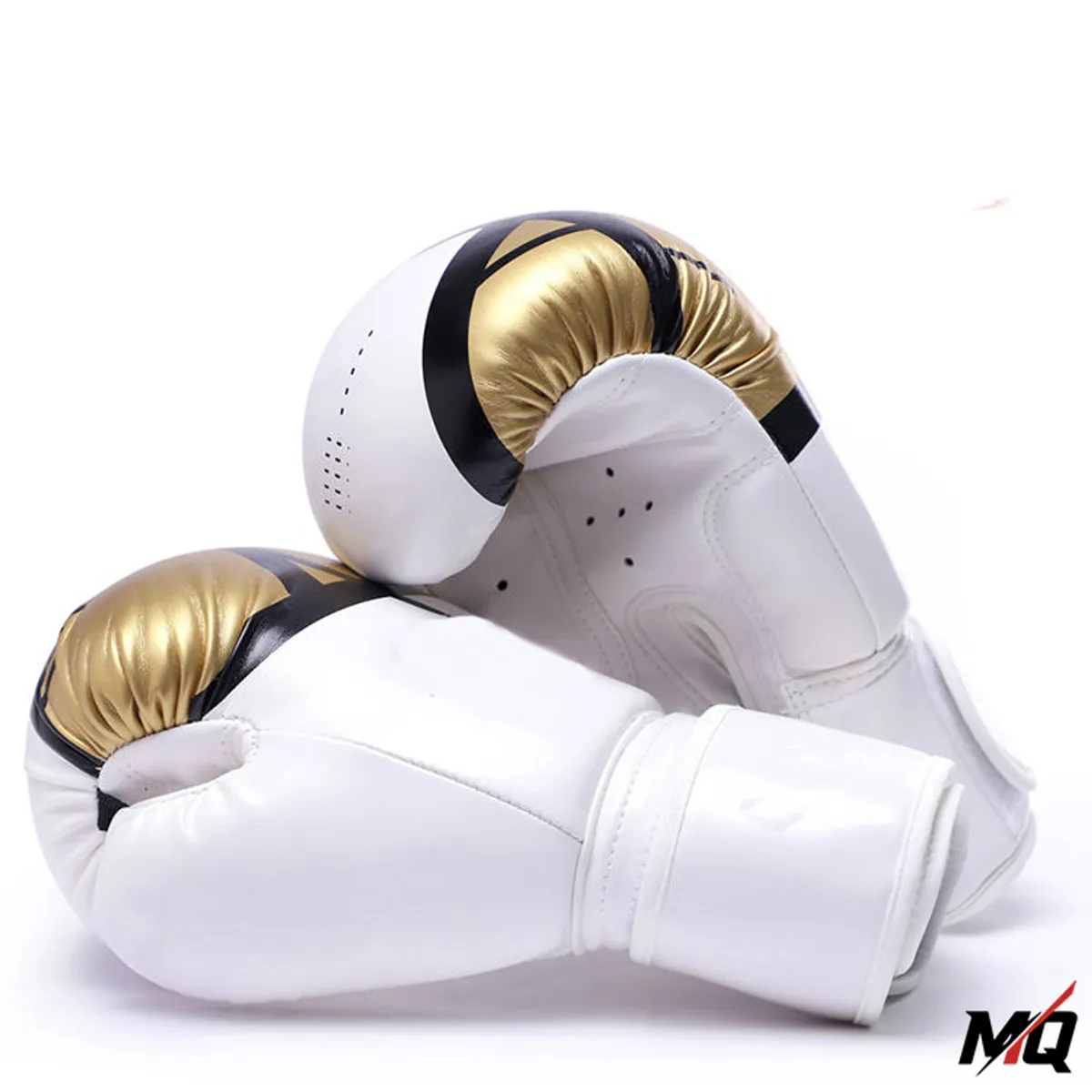

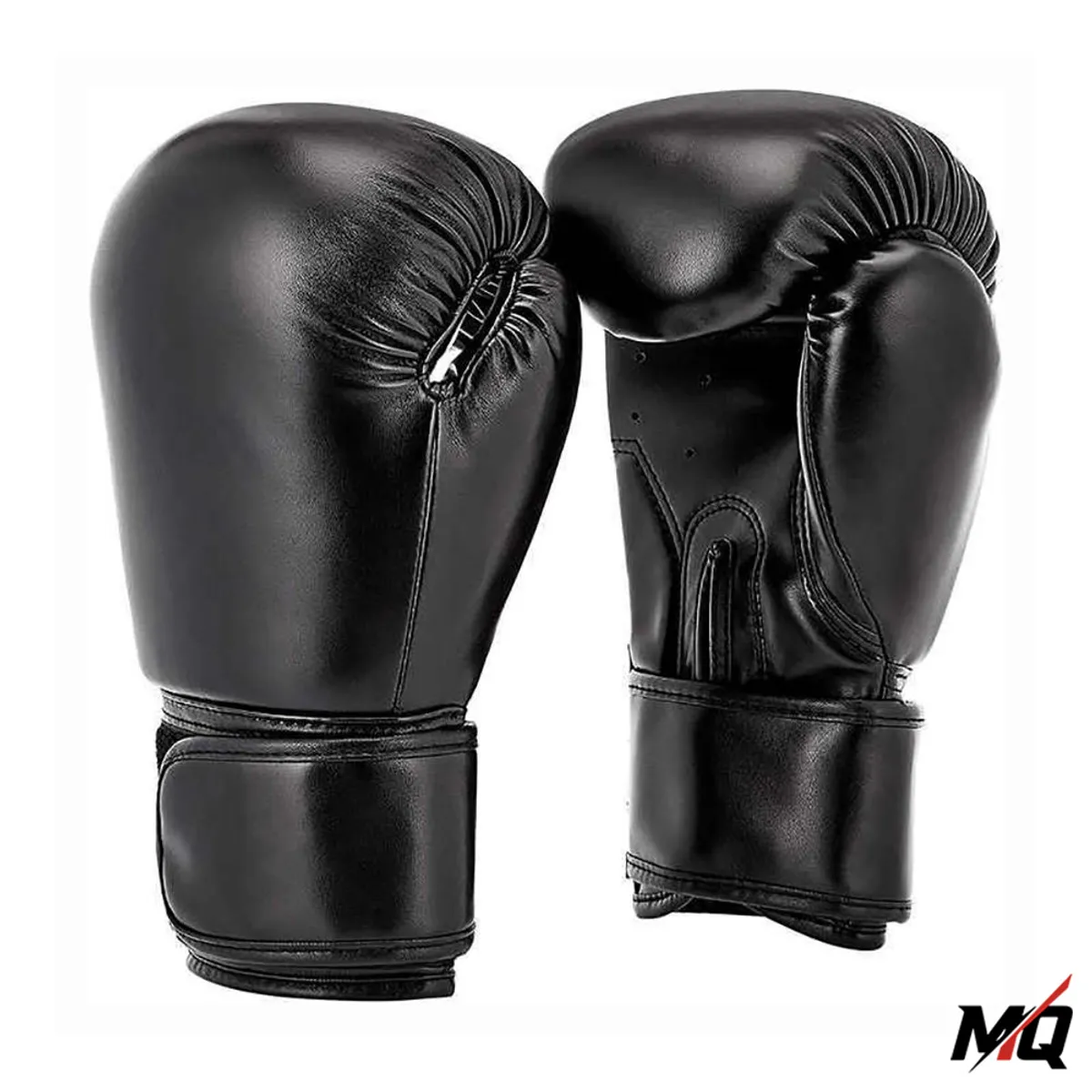
The leather vs synthetic boxing gloves question comes up in almost every conversation we have with new brands, gyms and retailers. It's a business decision as much as a technical one: the shell material decides your price point, your customer's experience, and how your gloves look in photos and after six months of use.
This guide compares genuine leather and PU (polyurethane synthetic leather) honestly, so you can choose the right material for your range, or decide to offer both.
The two materials in brief
Genuine leather is natural animal hide, tanned and finished for durability. In boxing gloves it's prized for its strength, its feel on impact and the way it softens and molds to the hand over time.
PU (synthetic leather) is a polyurethane coating on a fabric backing, engineered to look and feel like leather. Quality varies a lot between grades, and good PU gloves are a far cry from the cheap vinyl gloves of the past.
Side-by-side comparison
| Factor | Genuine leather | PU (synthetic leather) |
|---|---|---|
| Durability under heavy use | Excellent | Good |
| Break-in and feel | Molds to the hand over time | Consistent feel from day one |
| Price point | Premium | Entry to mid-range |
| Cleaning | Needs proper care | Easy to wipe clean |
| Colors and graphics | Classic colors | Bright colors, metallics, prints |
| Weight consistency | Natural variation in hides | Very consistent |
| Typical buyer | Serious boxers, premium brands | Beginners, fitness classes, gym fleets |
When genuine leather makes sense
Choose genuine leather when:
- Your customers train hard and often. Amateur boxers, fighters and dedicated gym members put gloves through daily bag, pad and sparring work. Leather handles that abuse best.
- You're building a premium brand. Leather supports a higher retail price and a "pro" positioning.
- Longevity is part of your promise. Customers who pay more expect the gloves to last, and leather delivers.
Our black genuine leather heavy bag gloves and sky blue lace-up leather gloves are examples of leather gloves built for serious training.
Caring for leather gloves
Leather lasts longest when it's looked after. Encourage your customers to air the gloves out after every session, use hand wraps to absorb sweat, avoid storing them in a closed bag, and wipe the shell clean. Retailers often include a care card in the box, which reduces complaints and builds trust.
When PU makes sense
Choose PU when:
- You're targeting beginners and fitness customers. Boxing fitness classes, home workouts and casual users rarely need the durability of leather, but they do care about price.
- You're equipping a gym. Shared gloves need to be wiped clean between users, and PU makes that easy.
- Design matters. PU takes bright colors, metallic finishes and printed graphics especially well, which is ideal for eye-catching brands and social-media-friendly products.
- You need consistency. Synthetic material is uniform, so every glove in a large order looks the same.
See our electric blue PU martial arts gloves or maroon and black PU training gloves for typical PU training styles.
What matters more than the shell
Buyers sometimes focus so much on leather vs PU that they overlook the parts that decide how a glove actually performs:
- Padding. The layering and shape of the foam decide protection and feel more than the shell does.
- Stitching. Weak seams at the thumb and cuff fail first, whatever the shell material.
- Lining. A moisture-wicking lining keeps gloves fresher for longer.
- Closure. A wide, strong hook-and-loop strap or a well-made lace-up closure gives wrist support.
- Fit. A comfortable hand compartment and thumb position keep customers using the gloves.
A good manufacturer will discuss all of these with you, not just the shell. Our checklist for choosing a boxing gloves manufacturer covers the questions to ask.
Signs of quality in each material
Whichever material you choose, quality varies between suppliers. When you check a sample, look for these signs.
Genuine leather gloves
- an even surface with no cracks, thin patches or loose grain
- clean, consistent stitching, especially around the thumb and cuff
- leather that flexes without creasing sharply or feeling stiff
- smooth, finished edges on the cuff and strap
PU gloves
- a surface that doesn't peel, bubble or crack when flexed
- a coating that feels supple rather than plastic-like
- consistent color across every panel
- strong bonding at the seams, with no lifting at the edges