
OEM & Private Label Manufacturing · Worldwide Shipping
Malqor International

Sizing Guides

Boxing Glove Sizes and Weights (8oz–16oz) Explained for Retailers and Gyms

Boxing glove weight guide for retailers and gyms: what 8oz to 16oz means, which weights suit bag work, sparring, kids and MMA, and how to plan stock by weight.

By Malqor International · Published · 5 min read

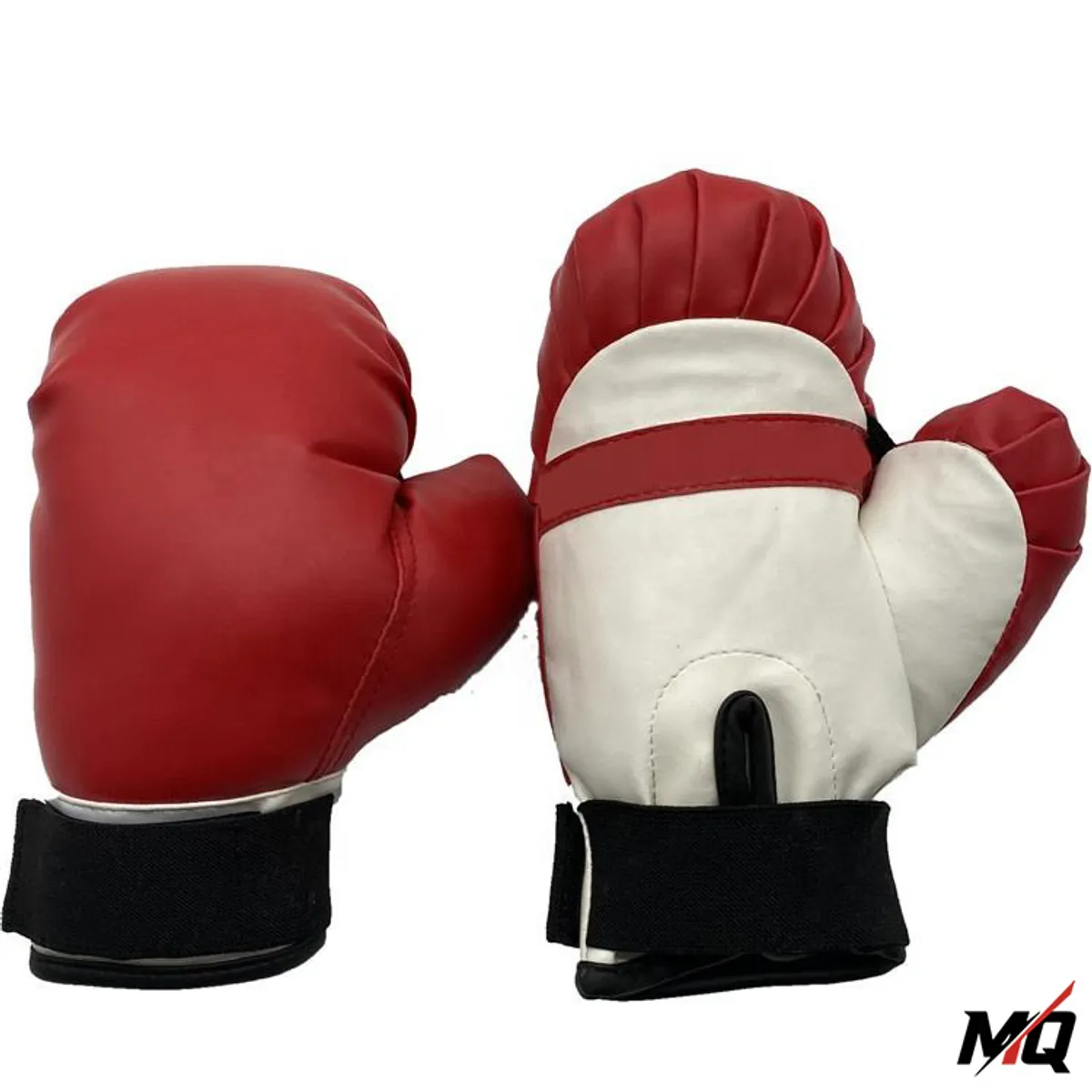
Red and white boxing training gloves shown side by side, front angle.
In this guide
  1. Why boxing gloves are sold by weight
  2. Weight by use
  3. Weight by body weight
  4. Weights for gyms and clubs
  5. Planning retail stock by weight
  6. Bag gloves vs training gloves
  7. Kids' boxing gloves
  8. Answering customers in store and online
  9. Closures and fit
  10. Checking weights in your order
  11. Labeling weights clearly
  12. Malqor's weight range

"What size boxing gloves do I need?" is one of the most common questions your customers will ask, and the answer isn't always obvious. Boxing gloves are sized mainly by weight in ounces, not by hand size, and the right weight depends on the person and how they train.

This boxing glove weight guide explains what 8oz to 16oz means, which weights suit which customers, and how retailers and gyms can plan a stock mix that sells.

Why boxing gloves are sold by weight

The ounce figure is the weight of one glove. Most of that weight is padding, so the weight tells you roughly how much cushioning the glove has:

  • Heavier gloves (14oz–16oz) carry more padding. They protect training partners in sparring and cushion the wearer's hands in heavy training.
  • Lighter gloves (8oz–10oz) feel faster and are used for bag work, pad work and fitness, and in some competitions.

Hand size still matters for comfort, but for most adult training gloves the weight is the main sizing choice. Some brands also offer S/M/L sizing for hook-and-loop training gloves; if you do, publish a clear size guide.

Weight by use

UseTypical weightNotes
Kids' boxing and fitness4oz–8ozChoose by the child's size and age
MMA and grappling4oz–7ozOpen-palm gloves so fighters can grab
Bag and pad work, fitness classes10oz–14ozLighter for speed, heavier for protection
General training12oz–14ozThe most versatile all-round weights
Sparring16ozThe most common adult sparring weight
CompetitionSet by the rulesFederations and commissions set weights by weight class

These are general guidelines used across the industry. Coaches and gyms often have their own rules, especially for sparring.

Weight by body weight

For adults, body weight is a useful starting point. A common guideline for training and sparring gloves:

Body weightTraining (bag and pads)Sparring
Under about 55 kg (120 lb)10oz–12oz12oz–14oz
About 55–70 kg (120–155 lb)12oz14oz–16oz
About 70–85 kg (155–185 lb)12oz–14oz16oz
Over about 85 kg (185 lb)14oz–16oz16oz or heavier

Put a chart like this on your product pages and in-store. It answers the question before customers have to ask, and it reduces returns.

Weights for gyms and clubs

If you're equipping a gym, the mix depends on your classes:

  • Fitness boxing classes: mostly 10oz–14oz PU gloves with hook-and-loop closures, which are quick to put on and easy to wipe clean between members.
  • Boxing clubs with sparring: a good supply of 16oz gloves, plus 12oz–14oz for pad and bag work.
  • Kids' programs: smaller, lighter gloves sized for children.
  • MMA gyms: open-palm MMA gloves for sparring and grappling, plus boxing gloves for striking classes.

Shared gloves wear quickly, so plan to replace them regularly, and consider gloves branded with your gym's logo as members' merchandise.

Planning retail stock by weight

For a general adult retail range, a typical split looks like this:

  • 12oz and 14oz: your core sellers for general training
  • 16oz: steady demand from sparring customers and heavier adults
  • 8oz and 10oz: fewer pairs, for bag work, fitness and lighter customers
  • kids and MMA: separate ranges if your customers need them

Start with this split, then follow your own sales data. If you're launching your own brand, avoid ordering every weight in every color in your first order; focus on the core weights first. Our guide to starting a private-label sports gloves brand explains how to plan a first range.

Bag gloves vs training gloves

Customers often see "bag gloves" and "training gloves" side by side and aren't sure which to buy.

  • Bag gloves are typically lighter, with less padding, and are designed for hitting heavy bags and pads. They give a direct feel but aren't meant for sparring.
  • Training gloves are all-rounders, usually 12oz–16oz, suitable for bags, pads and (in heavier weights) sparring.

For most customers who train two or three times a week, one pair of 14oz or 16oz training gloves covers everything. Serious boxers often own two pairs: lighter gloves for bag work and 16oz gloves kept for sparring.
Kids' boxing gloves

Children need gloves sized for their hands and strength, not cut-down adult gloves. Kids' gloves are usually 4oz–8oz, chosen by the child's age and size, with a hook-and-loop closure they can manage themselves. If you run a youth program or sell to parents, stock a small run of kids' sizes, show the age range clearly on the packaging, and recommend that children always train under a coach's supervision.

Answering customers in store and online

A few short answers cover most questions you'll get:

  • "I'm a beginner." Start with 12oz or 14oz training gloves; move to 16oz if you start sparring.
  • "I only do fitness classes." 10oz–14oz hook-and-loop gloves are comfortable and quick to put on.
  • "I want to spar." 16oz is the standard for most adults; check your gym's rules.
  • "Do they come in sizes?" Most training gloves are sized by weight; try them on with hand wraps for comfort.

Closures and fit

Weight isn't the only thing customers notice:

  • Hook-and-loop closures are easy to put on alone and suit training, fitness and gym use.
  • Lace-up closures give a locked-in, competition-style fit but need someone to tie them.
  • Hand compartment and thumb position affect comfort; good gloves have a contoured thumb and a pre-curved fist.
  • Hand wraps add a little bulk inside the glove, so customers should try gloves on with wraps.

Checking weights in your order

When you receive a sample, weigh it: a glove sold as 12oz should weigh close to 12oz. Ask your manufacturer how weights are controlled in production, and include weight in your quality checks. Our checklist for choosing a boxing gloves manufacturer covers the other points worth checking.

Labeling weights clearly

Customers shop by weight, so make it easy to see:

  • print or label the weight on the glove (cuff or inner lining)
  • show the weight on the packaging and the barcode label
  • use the same weight naming on your website, marketplace listings and invoices

If you're ordering private-label gloves, include weight labeling in your specification. Our guide to custom boxing gloves with your logo covers labels and packaging.

Malqor's weight range

Malqor International's wholesale boxing gloves range from 4oz MMA-style gloves to 16oz sparring gloves. Examples include the red and white molded knuckle gloves, available from 6oz to 16oz, and the white and gold MMA Muay Thai training gloves, from 4oz to 12oz. Made-to-order sizing is available on several models.

Gyms and retailers that also serve riders can add our padded cycling gloves, or browse every glove type in our sports gloves catalog.

Tell us the weights and quantities you need, and we'll reply with pricing, MOQ and lead time. Our MOQ is set per model and level of customization, and confirmed in your quote.

Frequently Asked Questions

What do boxing glove ounces mean?

The ounce (oz) figure is the weight of each glove. Heavier gloves carry more padding, which means more protection for the training partner and the wearer's hands, while lighter gloves feel faster.

What size boxing gloves should a beginner buy?

Most adult beginners do well with 12oz or 14oz gloves for general training. Heavier adults and anyone sparring usually move to 16oz. Kids typically use lighter gloves of around 4oz to 8oz.

What weight boxing gloves are used for sparring?

16oz is the most common sparring weight for adults, and many gyms require it. Lighter adults sometimes spar in 14oz. Always follow the gym's or coach's rules.

Which weights should a retailer stock the most?

In most adult ranges, 12oz and 14oz sell steadily for general training and 16oz for sparring, with fewer 8oz and 10oz pairs. Your own sales data should guide reorders.

Which weights does Malqor International make?

Our boxing gloves range from 4oz for MMA-style gloves up to 16oz for sparring, with most training models available from 6oz or 8oz to 16oz. Made-to-order sizing is available on several models.

Request a Wholesale Quote

Tell us the glove types, quantities, sizes and branding you need. We'll reply with pricing, MOQ and lead times for your order.